
The Organisational Velocity Manifesto
A short declaration on why the speed at which an organisation turns decisions into action is the single most important competitive advantage.
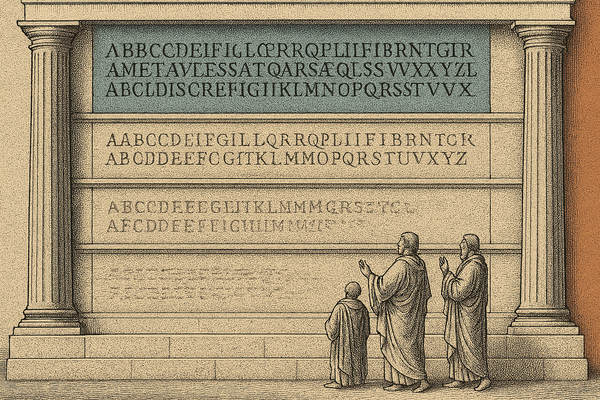
Corporate telephone game is costing you 40% of your strategy
In the boardroom, strategic decisions sound clear and decisive. By the time they reach the teams doing the work, they have been translated, reinterpreted, and diluted at every level.
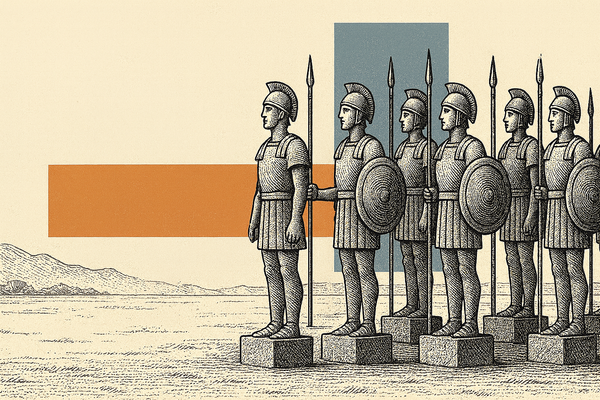
Your organization can see but can't move: The paralysis between observation and action
Most organizations have more visibility than ever. Dashboards, analytics, real-time data. The problem is not seeing what needs to change. It is the gap between seeing it and doing something about it.

The frozen middle: Why 70% of strategic initiatives die at middle management
The average CEO joke about middle management lands with a nervous laugh. Strategies die in the frozen middle. But middle managers are not the villains. They are the victims of a system that gives them impossible jobs.
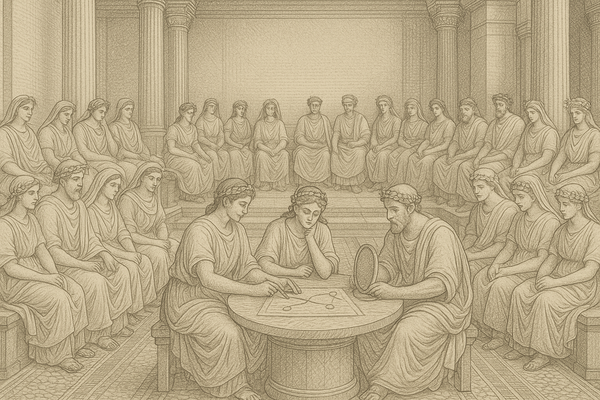
Meetings aren't the problem. Timing, composition, and purpose are
$532 billion. That is the estimated annual cost of unproductive meetings in the US economy. Everyone knows meetings are broken. But the solution is not fewer meetings. It is better meeting infrastructure.
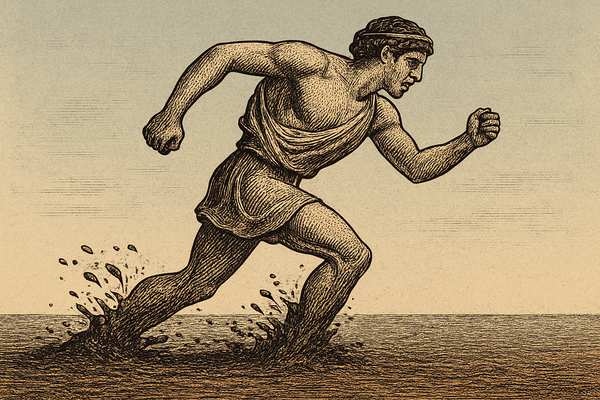
Did your digital transformation make you slower?
Digital transformation promised speed. In practice, it often produced a two-speed organisation. The front looks like a hare. The back looks like a tortoise that has been given extra paperwork.
Strategies die between the head and the heart
The CEO understands the strategy intellectually. The frontline team feels the urgency emotionally. Between those two poles lies a vast middle where strategies go to die — not from opposition, but from indifference.

The velocity gap: What happens between your offsite and next week
Every offsite ends with energy and alignment. Every Monday after an offsite starts with the same question: What exactly are we supposed to do differently? The gap between the two is where strategy goes to die.